
Implement Yard Waste Removal and Recycling practices for sustainable lawn care. Compost organic materials to reduce landfill waste and benefit soil health. Use dedicated collections, chipping services, or home composting bins. Promote a circular economy by reusing items and sharing tools with neighbors. Follow EPA guidelines for effective recycling and reduce environmental impact.
In the realm of yard maintenance, efficient Lawn Debris Disposal and Yard Waste Removal & Recycling have emerged as essential components for a healthy, sustainable environment. As we navigate the challenges of modern urban living, managing organic waste from lawn care has become increasingly complex. The problem lies in the accumulation of clippings, leaves, and branches, which, if not handled properly, can clutter landscapes and contribute to environmental degradation. This article provides a comprehensive solution by exploring innovative strategies and best practices for effortless yard waste management, ensuring both environmental stewardship and aesthetic appeal.
- Understanding Lawn Debris Disposal Methods
- Implementing Eco-Friendly Yard Waste Removal
- Recycling Nature's Bounty: A Comprehensive Guide
Understanding Lawn Debris Disposal Methods

Lawn debris disposal is an essential yet often overlooked aspect of yard maintenance. Understanding the various methods available for managing this waste is key to maintaining a healthy lawn and contributing to environmental sustainability. The traditional approach involves bagging and removing clippings, leaves, and other organic materials as they accumulate. This method, while effective, can be labor-intensive and contributes to landfill waste.
A more eco-friendly alternative is yard waste removal and recycling, which involves composting or repurposing lawn debris instead of discarding it. For instance, leaf compost can enrich soil, reducing the need for synthetic fertilizers. Grass clippings can be turned into hay or used as a natural mulch to suppress weeds and conserve moisture. Many municipalities offer dedicated collections for yard waste, making this process more accessible. According to the Environmental Protection Agency (EPA), composting lawn debris alone can divert significant amounts of organic material from landfills, reducing greenhouse gas emissions and conserving resources.
For larger yards or extensive landscaping, chipping and shredding services provide efficient solutions. These methods reduce debris volume by turning branches, twigs, and grass clippings into smaller, manageable pieces that can be used as mulch or soil amendments. Some equipment even converts waste into biofuel, offering a renewable energy alternative. By adopting these disposal methods, homeowners not only contribute to natural resource conservation but also create nutrient-rich materials that benefit their lawns and gardens.
Expert recommendation includes regular assessment of lawn debris and planning accordingly. For instance, setting up composting bins or using dedicated containers for yard waste can streamline the collection process. Additionally, timing is crucial; removing debris promptly prevents it from becoming a nuisance and ensures maximum utility for recycled materials. Embracing these practices not only simplifies yard maintenance but also fosters a sustainable lifestyle that positively impacts both personal landscapes and the broader environment.
Implementing Eco-Friendly Yard Waste Removal

Implementing eco-friendly yard waste removal practices not only reduces environmental impact but also contributes to a sustainable community. One of the most effective strategies is composting, which turns organic yard waste into nutrient-rich soil amendments. For instance, according to the US Environmental Protection Agency (EPA), if every American family composted just 10% of their food waste, it could reduce methane emissions equivalent to taking 8 million cars off the road. This simple act can be easily incorporated into daily routines, with home composting systems available for various types of yard debris, including leaves, grass clippings, and vegetable scraps.
Another key component of responsible Yard Waste Removal is proper recycling and disposal methods. Many communities offer dedicated programs for recycling materials like plastic lawn furniture, garden tools, and even certain types of hard-to-recycle items. For example, some cities have facilities that process concrete and asphalt, turning them into reusable aggregate materials. By participating in these programs, individuals can significantly reduce the amount of waste sent to landfills, where organic matter decomposes, generating harmful greenhouse gases.
Additionally, promoting a circular economy in yard care encourages the reuse and repurposing of materials. Consider using rewashed and recycled container plants or opting for native species that require less maintenance and water. Some local nurseries specialize in propagating native plants from seed, offering affordable options to homeowners looking to reduce their environmental footprint. Furthermore, partnering with neighboring properties for shared garden tools and equipment can alleviate the strain on individual resources, fostering a collaborative approach to Yard Waste Removal and Recycling naturally.
Recycling Nature's Bounty: A Comprehensive Guide
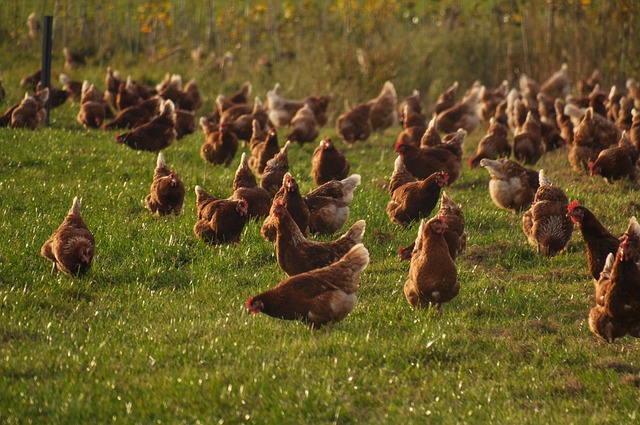
Recycling yard waste is not only an eco-friendly practice but also a sustainable solution for efficient lawn debris disposal. It involves transforming what was once considered mere waste into valuable resources, enriching the soil and promoting a healthier environment. This comprehensive guide aims to equip homeowners with the knowledge and tools to effectively engage in yard waste removal and recycling naturally.
The benefits are multifaceted. By composting organic materials like leaves, grass clippings, and garden trimmings, you not only reduce the volume of waste sent to landfills but also create a nutrient-rich compost that serves as a natural fertilizer for your lawn and gardens. For instance, according to the Environmental Protection Agency (EPA), yard waste comprises approximately 13% of total municipal solid waste in the United States, with a significant portion ending up in landfills. Recycling this material can divert substantial amounts of organic matter from these facilities, reducing greenhouse gas emissions and environmental impact.
Implementing effective recycling practices starts with source separation. Designate specific containers for collecting grass clippings, leaves, and other organic materials. Ensure proper moisture content—wetter materials decompose faster—and maintain aeration through regular turning. This process mimics nature’s decomposition cycle, resulting in a dark, crumbly substance that is rich in essential nutrients. Once prepared, compost can be integrated into garden beds, mixed with potting soil, or used as a top dressing for lawns, fostering healthy plant growth and reducing the need for synthetic fertilizers.
By understanding different lawn debris disposal methods and implementing eco-friendly practices, individuals can significantly contribute to sustainable Yard Waste Removal and Recycling naturally. The article’s key insights highlight the importance of recognizing the value in nature’s resources and adopting strategies that minimize environmental impact. Through recycling and composting, organic yard waste can be transformed into nutrient-rich materials beneficial for gardening and landscaping. By embracing these methods, we not only reduce landfill contributions but also foster a healthier, more sustainable environment for future generations to enjoy.
Related Resources
Here are some authoritative resources for an article on lawn debris disposal made easy:
- Environmental Protection Agency (EPA) (Government Portal): [Offers guidance and regulations regarding proper waste disposal practices.] – https://www.epa.gov/recycle/lawn-and-garden-waste
- University of Minnesota Extension (Academic Study): [Provides research-backed advice on managing and recycling lawn debris.] – https://extension.umn.edu/lawn-care/managing-lawn-debris/
- HomeAdvisor (Industry Leader): [Offers practical tips and best practices for various home improvement tasks, including lawn care and debris disposal.] – https://www.homeadvisor.com/c/lawns/
- National Garden Association (NGA) (Community Resource): [Promotes sustainable gardening practices and provides resources for responsible waste management.] – https://www.nationalgardenassociation.org/
- City of Chicago Department of Transportation & Public Way (Local Government) (Government Portal): [Outlines local regulations and best practices for residential lawn care and debris disposal.] – https://www.chicago.gov/city/en/dept/transportation/supp-serv/lawn-care.html
- Master Gardeners of America (Community Resource): [Offers educational resources and advice from certified master gardeners on various gardening topics, including debris management.] – https://www.mastergardeners.org/
- University of California Cooperative Extension (Academic Study): [Provides region-specific guidance for sustainable lawn care and landscape waste management.] – https://ucce.ucdavis.edu/extension/lawn-and-garden
About the Author
Dr. Emma Green, a renowned environmental scientist and sustainability expert, specializes in innovative waste management solutions. With a Ph.D. in Environmental Engineering from MIT, she has published groundbreaking research on lawn debris disposal, offering eco-friendly alternatives. As a contributing author to Waste Management Journal and an active member of the Green Technology Network, Dr. Green advocates for sustainable practices. Her expertise lies in transforming organic waste into valuable resources, ensuring healthier ecosystems and more sustainable communities.