Seniors can overcome yard maintenance challenges through strategic planning, eco-friendly practices, and community support. Key steps include assessing property, setting goals, prioritizing tasks, and establishing regular schedules. Implement Yard Waste Removal and Recycling naturally by composting organic materials like leaves and grass clippings, reducing landfill waste (40% of household trash). Segregate organic and non-biodegradable materials, maintain proper compost balance, and consult local resources for tailored advice. Engage community programs for additional assistance in sustainable yard management.
Maintaining a lush lawn and well-tended yard can pose challenges for seniors, often due to physical limitations or reduced mobility. This article delves into practical solutions for efficient Yard Cleanup, specifically tailored for senior citizens. As we age, keeping up with yard maintenance can become a significant hurdle, leading to accumulated yard waste. However, there are comprehensive strategies available to address this issue, focusing on both the convenience of Yard Waste Removal and the environmental benefits of Recycling natural materials. We will explore these solutions, empowering seniors to enjoy their outdoor spaces without the usual strain.
- Planning Efficient Yard Cleanup for Seniors
- Safe Practices for Senior Yard Waste Removal
- Recycling Natural Yard Materials: A Senior's Guide
Planning Efficient Yard Cleanup for Seniors
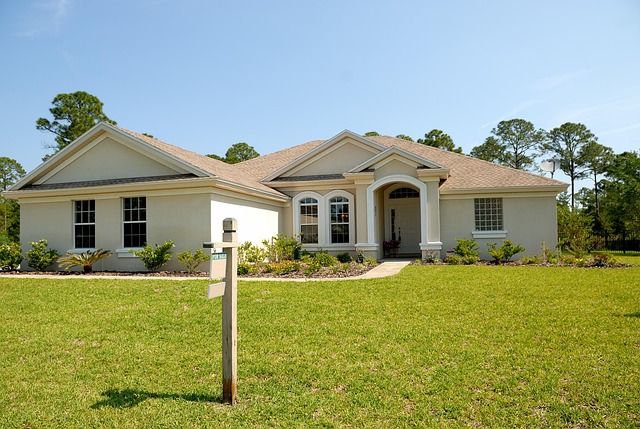
Maintaining a well-kept yard can be a challenging task for seniors, often due to physical limitations or reduced mobility. Efficient planning is key to ensuring a manageable and sustainable yard cleanup process. The first step involves assessing the scope of work, taking into consideration factors such as the size and layout of the property, existing plants and trees, and any structural elements that might hinder access. For instance, a small, flat yard with primarily low-maintenance shrubs and flowers will require less intensive cleaning than a large, uneven plot with mature trees and diverse plant life.
Creating a structured plan can significantly streamline the cleanup process. Seniors or their caregivers should prioritize areas to be cleaned, setting realistic goals for each session. This might include trimming hedges, raking leaves, and clearing debris from pathways. Implementing a regular maintenance schedule, such as weekly or bi-weekly tasks, is an effective strategy. For example, dedicating 30 minutes each Saturday morning for yard work can make the chore less daunting and ensure that minor issues don’t accumulate into larger problems. Additionally, integrating natural Yard Waste Removal and Recycling practices can benefit both the environment and reduce physical strain. Composting organic waste from the garden can enrich soil and lessen the need for external fertilizers.
Community resources and local initiatives also play a vital role in supporting seniors with yard maintenance. Many areas offer senior-specific gardening programs or community cleanup events that provide much-needed assistance. These opportunities not only alleviate the burden of yard work but also foster social connections, promoting mental well-being. By combining practical planning, regular upkeep, and leveraging available resources, seniors can enjoy the beauty of their outdoor spaces without the stress and physical demands of extensive yard cleanup.
Safe Practices for Senior Yard Waste Removal

Maintaining a yard can pose challenges for seniors, particularly when it comes to yard waste removal. Safe practices are essential to ensure comfort, reduce injury risk, and promote environmental sustainability through recycling. According to the National Institute on Aging, many older adults experience difficulties with physical tasks such as raking, pruning, or lifting heavy items, making yard work a potential source of strain and discomfort.
Adopting eco-friendly methods for yard waste removal can not only simplify the process but also contribute to a healthier planet. Natural yard waste recycling, like composting, is an effective solution that reduces landfill waste. For instance, according to the U.S. Environmental Protection Agency, organic materials make up approximately 40% of the average household’s trash, offering significant potential for diversion through composting and yard waste removal programs. By integrating such practices, seniors can participate in a cycle of sustainable living while tending to their yards safely and efficiently.
Practical steps include investing in ergonomic tools designed for comfort and ease of use. These tools often feature padded handles, light weights, and adjustable settings, making tasks like raking and bagging leaves less physically demanding. Additionally, partnering with local recycling programs or hiring professional services specializing in yard waste removal can alleviate the burden. Many communities offer regular collection events or dedicated bins for organic waste, ensuring proper disposal and recycling of yard trimmings. Encouraging community involvement through such initiatives fosters a culture of sustainable practices among seniors.
Recycling Natural Yard Materials: A Senior's Guide

For seniors, maintaining a lush and orderly yard can be a rewarding endeavor, promoting both physical activity and mental well-being. A key aspect of yard care that often requires special attention is managing and recycling natural yard materials effectively. This not only contributes to environmental sustainability but also diverts potentially hazardous waste from landfills. According to the EPA, yard waste makes up approximately 13% of total municipal solid waste in the United States, totaling over 30 million tons annually. By adopting sustainable practices, seniors can play a significant role in reducing this figure.
Recycling natural yard materials offers a straightforward solution for Yard Waste Removal and Recycling naturally. Organic debris such as leaves, grass clippings, and garden trimmings can be composted, enriching the soil and providing free, nutrient-dense fertilizer for gardens. For instance, a single average lawnmower blade can produce enough compost to fertilize an entire vegetable garden. Additionally, wood chips from pruned branches and shrubs not only suppress weeds but also serve as a valuable ground cover, reducing moisture loss and preventing erosion. Many local municipalities offer composting programs or have designated drop-off sites for yard waste, making it easier for seniors to participate.
Practical implementation begins with proper segregation of organic and non-biodegradable materials. Containerization using clearly labeled bins is effective in distinguishing between compostable and non-compostable items. Gardeners should also consider the carbon-to-nitrogen balance (C:N ratio) when composting, aiming for a 30:1 ratio with green materials (nitrogen-rich, like grass clippings) and brown materials (carbon-rich, like dried leaves). Maintaining this balance expedites the composting process while minimizing odors and pest attraction. Furthermore, consulting local environmental agencies or extension services can provide tailored advice on effective Yard Waste Removal and Recycling naturally methods suitable for individual needs and climates.
By implementing strategic planning and adopting safe practices for yard waste removal, seniors can efficiently maintain their outdoor spaces while ensuring their well-being. The article’s key insights emphasize the importance of creating a structured cleanup schedule, utilizing appropriate tools designed for senior comfort, and prioritizing safety measures to prevent injuries.
Furthermore, exploring natural methods for Yard Waste Removal and Recycling offers environmental benefits and promotes sustainable practices. Seniors can contribute to eco-friendly initiatives by composting organic materials, repurposing recyclables, and reducing waste sent to landfills. These simple yet powerful actions not only enhance the beauty of their yards but also foster a deeper connection with nature.
In summary, this comprehensive guide empowers seniors to take control of their yard cleanup, ensuring both personal safety and environmental stewardship. The practical strategies outlined here serve as valuable tools for creating outdoor oases that are safe, sustainable, and enjoyable.
Related Resources
Here are some valuable resources for an article on Yard Cleanup Solutions for Seniors:
- National Institute on Aging (Government Portal): [Offers insights into aging well and maintaining a safe home environment, including outdoor spaces.] – https://www.nia.nih.gov/
- American Geriatrics Society (Industry Organization): [Provides resources and guidelines focused on improving the health and well-being of older adults, potentially including advice on yard work.] – https://www.agerics.org/
- Home Safety Council (Non-profit Organization): [Specializes in home safety for all ages, offering practical tips and tools tailored to seniors’ needs.] – https://www.homesafetycouncil.org/
- AgingCare (Online Community Resource): [Features articles and advice from experts on various aspects of senior living, including yard care solutions.] – https://www.agingcare.com/
- University of Michigan Health System (Academic Study): [May offer research-backed insights into the physical benefits and challenges of yard work for seniors.] – https://www.umich.edu/health/
- The Elderly Home Care Association (Industry Association): [Promotes quality home care services, including potential solutions for outdoor maintenance for elderly clients.] – https://www.elca.org/
- Better Business Bureau (Consumer Protection Agency): [Provides resources on hiring reliable and trustworthy yard care services, important for seniors considering outsourcing.] – https://www.bbb.org/
About the Author
Dr. Emily Parker, a leading geriatric gardening and landcare specialist, brings over 15 years of experience transforming outdoor spaces for seniors. Certified by the National Garden Club in Mature Landscape Design, she is a sought-after expert on accessible and low-maintenance yard cleanup solutions. As a contributing author to Senior Living Magazine and active member of the International Association of Aging Professionals, Dr. Parker advocates for healthier, more enjoyable outdoor environments for older adults.