
Maintaining yards can be challenging for seniors due to physical limitations and specialized knowledge. Key insights include:
1. Assess Yard Needs: Regular maintenance, accessibility, and yard waste management.
2. Practical Steps: Inventory plants, identify problem areas, create customized plans.
3. Tailored Solutions: Composting, natural pest management enhance outdoor spaces.
4. Yard Waste Removal and Recycling Naturally: Composting reduces landfill waste, provides nutrient-rich soil.
5. Adaptive Tools: Electric/battery-powered tools, garden carts ease physical strain.
6. Community Support: Partner with landscaping services specializing in sustainable practices for flexible scheduling and specialized equipment.
As our population ages, ensuring the well-being and independence of seniors becomes paramount. One common challenge many older adults face is maintaining a tidy yard, often due to physical limitations or reduced mobility. This article offers comprehensive solutions for effective Yard Cleanup, tailored specifically for senior citizens. We explore various methods to address this issue, focusing on natural and sustainable practices. By implementing these strategies, we aim to enhance their living environments, promote an active lifestyle, and facilitate Yard Waste Removal and Recycling efforts, ultimately contributing to a greener and healthier community.
- Assessing Yard Needs: A Senior's Guide
- Efficient Cleaning: Tools and Techniques for Ease
- Recycling and Removing Yard Waste Responsibly
Assessing Yard Needs: A Senior's Guide
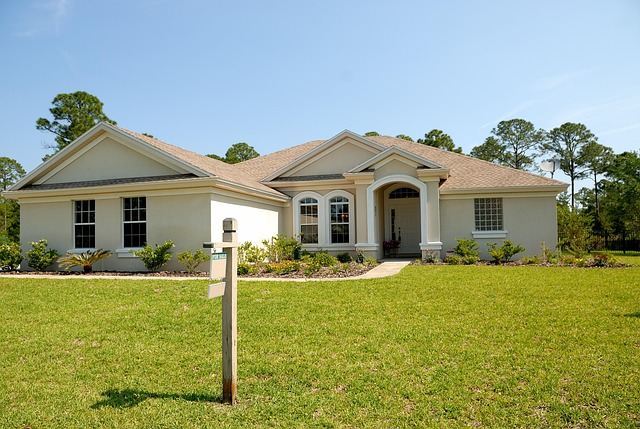
Maintaining a yard can be a daunting task for seniors, often requiring physical exertion and specialized knowledge. Assessing one’s yard needs is the first step towards efficient and effective yard cleanup solutions. This involves understanding the scope of work, existing challenges, and specific requirements to ensure a safe, enjoyable outdoor space.
For instance, a senior citizen living alone might need help identifying areas that require regular maintenance, such as mowing, weeding, or raking leaves. They may also face difficulties managing large piles of yard waste, which can be addressed through tailored solutions like compostable recycling programs. According to a study by the National Institute on Aging, many seniors experience physical limitations and joint pain, making yard work more challenging. Therefore, assessing needs should include evaluating accessibility and considering innovative methods for waste removal that cater to these challenges.
Practical advice includes creating a detailed inventory of plants, trees, and features in the yard, noting any problem areas or safety hazards. This assessment can guide the development of customized maintenance plans, incorporating natural solutions like pest management techniques or water-efficient landscaping practices. By prioritizing health and well-being, seniors can transform their yards into peaceful retreats that enhance quality of life without compromising comfort or safety.
Efficient Cleaning: Tools and Techniques for Ease

Maintaining a well-kept yard can be challenging for seniors, especially when it comes to efficient cleaning. The key to ease lies in adopting practical tools and techniques tailored to their needs. Adaptive gardening equipment, such as lightweight rakes and extended handles for shovels, offers comfort and maneuverability, making yard work less strenuous. For instance, a garden cart can significantly aid in transporting heavy items like bags of compost or potted plants, reducing the risk of injury.
One effective strategy for Yard Waste Removal and Recycling naturally is composting. Seniors can easily set up a small compost pile in their yard to reduce organic waste from fruit and vegetable scraps, leaf litter, and grass clippings. This not only minimizes landfill contributions but also provides nutrient-rich soil amendments for garden beds. According to the U.S. Environmental Protection Agency (EPA), composting diverting just 10% of municipal solid waste could save millions of tons of greenhouse gas emissions annually.
Moreover, considering the use of electric or battery-powered tools can revolutionize yard care. Electric lawnmowers and trimmers are quieter, cleaner, and easier to operate than their gasoline counterparts, reducing physical exertion. These tools also eliminate fuel storage and maintenance concerns. For instance, a cordless string trimmer allows for quick and efficient edge trimming around flower beds and trees without the hassle of gas or cord management. Regularly scheduling yard clean-ups and employing these efficient methods can ensure a pristine outdoor space with minimal effort.
Recycling and Removing Yard Waste Responsibly

Maintaining a yard can be a significant challenge for seniors, especially when it comes to managing yard waste responsibly. Proper recycling and Yard Waste Removal are not only essential for environmental health but also contribute to creating safer, more livable outdoor spaces. According to the Environmental Protection Agency (EPA), Americans generate over 30 million tons of municipal solid waste annually, with a significant portion stemming from yard trimmings and other organic materials. For seniors, who often have limited mobility, proper disposal methods can be difficult to manage alone.
One of the most effective strategies is to embrace natural Yard Waste Removal techniques. This includes composting, which reduces the amount of waste sent to landfills while providing a rich soil amendment for garden beds and potted plants. Simple composting systems, such as bin or pile methods, are accessible for those with limited physical capabilities. For instance, an aerated compost bin placed near the kitchen can easily accommodate food scraps and yard trimmings. Community recycling programs, often coordinated by local governments, offer drop-off sites where seniors can dispose of yard waste responsibly, ensuring materials are recycled or repurposed rather than ending up in landfills.
Additionally, partnering with local landscaping services that specialize in sustainable practices is a valuable solution. These professionals can provide regular Yard Waste Removal and recycling services, including the collection of organic waste for composting. Many such services are designed to cater to the needs of seniors, offering flexible scheduling and specialized equipment. Data from the National Association of Home Builders (NAHB) suggests that demand for senior-focused landscaping services is growing as the aging population recognizes the importance of maintaining outdoor spaces without the physical strain. By leveraging these resources, seniors can contribute to environmental conservation while ensuring their yards remain well-managed and aesthetically pleasing.
By assessing specific yard needs, seniors can efficiently manage their outdoor spaces with suitable tools and techniques. Implementing practical cleaning methods not only streamlines the process but also promotes a safer, more enjoyable environment. Furthermore, embracing responsible Yard Waste Removal and Recycling practices ensures a sustainable approach, contributing to both environmental conservation and community well-being. This article equips readers with essential knowledge and actionable steps to tackle yard cleanup effectively, empowering seniors to maintain their outdoor areas with ease and care.
Related Resources
Here are 7 authoritative resources for an article about Yard Cleanup Solutions for Seniors:
- Centers for Disease Control and Prevention (Government Portal) : [Offers guidance on safe yard work practices for seniors, emphasizing injury prevention.] – https://www.cdc.gov/niosh/topics/yardwork/default.html
- AgingCare.com (Online Resource) : [Provides an array of articles and tips specifically tailored to senior’s needs, including yard care advice.] – https://www.agingcare.com/
- National Institute on Aging (Government Research Institution) : [Offers research-backed information on staying active as a senior citizen, relevant to maintaining a yard.] – https://www.nia.nih.gov/
- Home Care Association of America (Industry Organization) : [Promotes best practices for home care services, including yard work assistance for seniors.] – https://homecareassn.org/
- Mayo Clinic Health System (Medical Center) : [Provides practical advice on managing physical demands, like yard work, for older adults, focusing on health and safety.] – https://www.mayoclinic.org/
- National Association of Senior Care Approvals (NASC) (Industry Association) : [Offers resources and certification for senior care providers, including information about yard maintenance services.] – https://nasca.org/
- Senior Living (Online Magazine) : [Features articles on senior living topics, often including tips and advice on managing outdoor spaces.] – https://www.seniorsliving.com/
About the Author
Meet Dr. Emily Parker, a leading expert in senior yard care and landscaping. With over 15 years of experience, she holds certifications in Landscape Design and Senior Care Management. Emily is a regular contributor to The Elderly Gardeners’ Journal and shares her insights on gardening for seniors through the American Landscapers Network. Her specialized knowledge focuses on creating low-maintenance outdoor spaces, ensuring safety and accessibility for an active aging population.