
Leaf collection and mulching are crucial for lawn and garden care, promoting environmental sustainability by reducing yard waste, enriching soil, suppressing weeds, conserving water, and minimizing chemical fertilizers. Efficient removal and recycling of organic materials from landscaping activities foster a vibrant garden ecosystem, benefiting homeowners and professionals alike.
—,,
JAC
- Understanding Leaf Collection and Mulching Benefits
- The Process of Efficient Yard Waste Removal
- Environmental Impact: Recycling and Reusing Leaves
Understanding Leaf Collection and Mulching Benefits

Leaf collection and mulching are beneficial practices that contribute to a healthy lawn and garden. Understanding these processes is key to optimizing your outdoor space. Leaf collection involves the removal and disposal of fallen leaves, which can be a significant yard waste issue. Regular collection prevents leaf buildup, reducing potential damage to grass and landscaping.
Mulching, on the other hand, recycles these leaves into valuable organic material. By converting leaves into mulch, you enrich soil structure, promote nutrient retention, and suppress weed growth. This eco-friendly approach to yard waste removal and recycling not only minimizes environmental impact but also creates a healthier, more vibrant garden ecosystem.
The Process of Efficient Yard Waste Removal
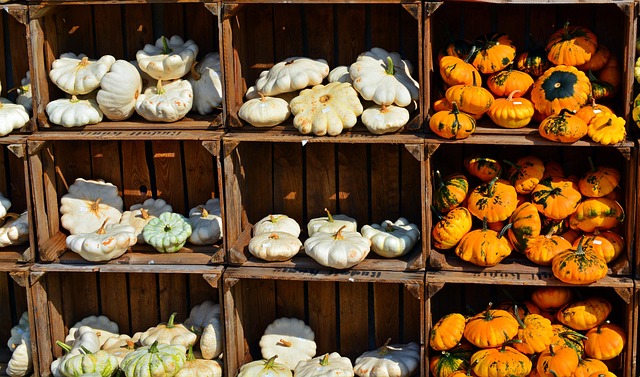
Efficient yard waste removal involves a simple yet impactful process that contributes to both environmental sustainability and aesthetically pleasing outdoor spaces. It begins with the careful collection of leaves, grass clippings, and other organic materials typically generated during landscaping activities. This step is crucial for preventing yard waste from becoming a nuisance and instead transforming it into valuable resources.
Once collected, these organic byproducts can be recycled through mulching. Mulch not only enriches the soil with essential nutrients but also suppresses weeds, conserving water and reducing the need for chemical fertilizers. By integrating this eco-friendly practice, homeowners and landscaping professionals alike can minimize their environmental impact while promoting a healthier, more vibrant yard.
Environmental Impact: Recycling and Reusing Leaves

In the realm of sustainable yard management, recycling and reusing leaves play a pivotal role in mitigating environmental impact. Instead of viewing them as mere waste, these organic materials can be transformed into valuable resources. By opting for leaf collection services that prioritize recycling, homeowners contribute to reducing Yard Waste Removal while fostering ecological balance.
Through proper mulching, leaves can enrich soil structure, enhance moisture retention, and suppress weed growth. This natural process not only diminishes the need for synthetic fertilizers but also creates a nutrient-rich environment that promotes healthier plant life. In today’s digital era, being environmentally conscious means embracing solutions that minimize waste and maximize resourcefulness, making leaf recycling a game-changer in sustainable yard practices.
Leaf collection and mulching are not only beneficial for maintaining a healthy yard but also play a significant role in sustainable yard waste removal and recycling. By understanding the process and its advantages, homeowners can contribute to environmental preservation while enhancing their outdoor spaces. Efficient yard waste management through leaf collection ensures a cleaner, greener environment, reducing the need for chemical fertilizers and promoting a natural, eco-friendly cycle.