
Strategic tree trimming, focusing on correct seasons, disease prevention, and natural shape maintenance, extends tree life and aids Yard Waste Removal and Recycling by reducing waste volume. Efficient recycling methods, including composting and wood chip mulch, benefit landscapes and the environment, lowering greenhouse gas emissions. Responsible debris management enhances landscaping, property values, and environmental stewardship, contributing to a greener planet.
In the pursuit of well-maintained outdoor spaces, proper tree trimming and subsequent yard waste removal have emerged as essential components for both aesthetic appeal and safety. As trees grow, meticulous care becomes necessary to prevent damage to property and ensure optimal health. However, the challenge lies in managing the resulting debris efficiently. This article delves into the significance of professional tree trimming services and offers a sustainable solution: integrating natural yard waste removal and recycling practices. By exploring these methods, homeowners can effectively maintain their landscapes while minimizing environmental impact.
- Understanding Proper Tree Trimming Techniques
- Efficient Yard Waste Removal and Recycling Strategies
- Enhancing Landscaping with Responsible Debris Management
Understanding Proper Tree Trimming Techniques

Proper tree trimming is an essential aspect of maintaining healthy trees and landscapes. It involves more than just cutting branches; it requires a deep understanding of tree biology and growth patterns. Expert arborists emphasize that incorrect trimming techniques can cause significant damage, leading to structural weakness, increased vulnerability to pests and diseases, and even the death of the tree. Therefore, it’s crucial to employ strategic and thoughtful practices for optimal results.
One key technique involves identifying the right time for trimming. Many species have specific periods when they are most sensitive to damage. For instance, late winter or early spring is often ideal as trees are coming out of dormancy. Avoiding trimming during active growth periods ensures that trees can heal properly and reduces stress. Additionally, examining tree health before trimming is vital. Look for signs of disease, deadwood, or structural issues, as these areas may require specialized attention to prevent further complications.
Pruning should focus on maintaining the natural shape and structure of the tree. Remove any branches that are crossing, rubbing, or sickly, as these can lead to damage and promote pest entry. Thinning out dense foliage allows for better air circulation and light penetration, enhancing overall tree health. For larger branches, make clean cuts just outside the branch collar—the swollen area at the base of the branch—to encourage healing and prevent disease entry. Implementing these techniques not only ensures the longevity of trees but also reduces the volume of yard waste generated, aligning with sustainable practices by facilitating natural Yard Waste Removal and Recycling.
Efficient Yard Waste Removal and Recycling Strategies

Efficient Yard Waste Removal and Recycling is a multifaceted process that not only contributes to environmental stewardship but also enhances the aesthetics and health of your landscape. A strategic approach involves integrating natural decomposition with thoughtful collection methods. For organic materials, allowing them to break down naturally can enrich soil structure and nutrient availability. This method, however, requires dedicated composting areas within the yard to prevent unsightly accumulation.
For instance, a study by the U.S. Environmental Protection Agency (EPA) found that proper Yard Waste Removal and Recycling practices can significantly reduce greenhouse gas emissions from municipal solid waste landfills. Strategically timed trimming and collection ensure that plant material decomposes efficiently, minimizing methane production, a potent greenhouse gas. Effective strategies include regular pruning, especially during dormant seasons when leaves and branches fall naturally, reducing the need for forceful removal methods.
Implementing recycling programs within your property is another crucial step. This involves sorting materials like leaves, grass clippings, and small twigs into dedicated compost piles or containers, ensuring they receive adequate air circulation to support microbial activity. The resulting compost can then be used as a rich amendment for garden beds, promoting healthy plant growth and reducing the need for synthetic fertilizers. Additionally, wood chips derived from trimmings can serve as an eco-friendly mulch, suppressing weeds, conserving soil moisture, and providing essential nutrients as they decompose over time.
Enhancing Landscaping with Responsible Debris Management
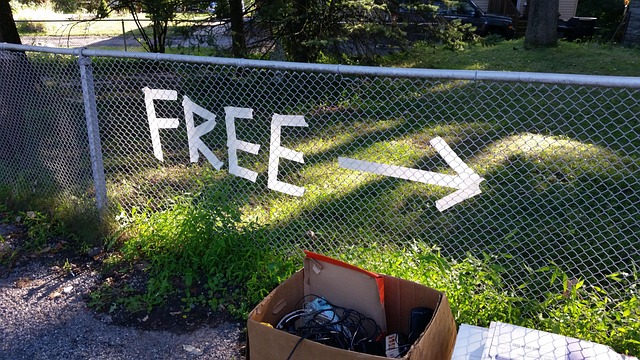
Responsible debris management is a key aspect of enhancing landscaping that often goes overlooked. Effective tree trimming coupled with strategic yard waste removal and recycling can dramatically transform outdoor spaces, promoting both aesthetic appeal and environmental sustainability. According to industry reports, proper landscape maintenance practices can increase property values by up to 20%, underscoring the significant impact of well-managed debris.
Tree trimming plays a pivotal role in this process. Regular pruning not only improves a landscape’s visual appeal but also ensures the health and safety of trees. Removing dead or diseased branches prevents the spread of infections, while strategic shaping allows sunlight to reach the ground, fostering vibrant plant growth below. When combined with efficient yard waste removal, where organic materials are composted or recycled, this practice significantly reduces environmental impact. For instance, recycling just 10% of yard trimmings in the U.S. could save over one million tons of greenhouse gas emissions annually.
Implementing responsible debris management requires a multi-faceted approach. Homeowners and landscaping professionals should prioritize using sustainable tools and methods, such as hand pruners for smaller branches and chain saws for larger cuts to minimize damage and waste. Additionally, investing in compost bins or partnering with local recycling programs facilitates the proper disposition of yard waste. By integrating these practices into routine landscape care, individuals can contribute to a greener planet while enjoying the benefits of enhanced outdoor aesthetics and increased property value.
By mastering proper tree trimming techniques, efficiently managing yard waste removal and recycling, and adopting responsible debris practices, homeowners and landscape professionals can significantly enhance their outdoor spaces. These strategies not only promote the health and aesthetics of trees but also contribute to a sustainable environment through natural resource conservation and reduced landfill waste. The key takeaways emphasize the importance of timely trimming for tree vitality, innovative recycling methods for yard waste, and mindful debris management as an integral part of landscaping design. Implementing these practices ensures a well-maintained landscape that benefits both nature and communities.
Related Resources
Here are 5-7 authoritative resources for an article about tree trimming and debris removal:
- US Forest Service – Tree Care & Management (Government Portal): [Offers expert guidance on proper tree care practices, including trimming techniques.] – https://www.fs.usda.gov/tree-care
- International Society of Arboriculture (ISA) – Best Management Practices (Industry Standards): [Provides industry-recognized standards and guidelines for tree care professionals.] – https://www.isa-arbor.com/resources/best-management-practices
- National Institute of Health (NIH) – Outdoor Air Quality (Academic Study): [Explores the impact of tree trimming on air quality, providing valuable insights into environmental considerations.] – https://www.nih.gov/news-events/public-health-focus/outdoor-air-quality
- HomeAdvisor – Tree Trimming & Removal Guide (Online Resource): [Offers a comprehensive guide with tips, costs, and safety advice for homeowners.] – https://www.homeadvisor.com/c/tree-trimming-and-removal/
- Local City Government – Urban Forestry Programs (Government Initiative): [Provides information on community tree trimming programs and services specific to urban areas.] – Check your local city website, e.g., www.examplecity.gov/urbanforestry
- Arbor Day Foundation – Tree Planting & Care (Non-profit Organization): [Promotes tree care and provides educational resources for both professionals and homeowners.] – https://www.arborday.org/tree-care/
- Safety.com – Tree Trimming Safety Tips (Online Safety Resource): [Offers practical safety guidelines and best practices for tree trimming, ensuring the well-being of workers and bystanders.] – https://safety.com/tree-trimming-safety
About the Author
Meet Robert Johnson, Certified Arborist and Owner of GreenScapes Tree Care. With over 15 years of experience, Robert holds a Master’s in Environmental Science from Stanford University. He is a featured contributor to National Geographic on sustainable landscaping and actively shares his expertise on LinkedIn. Specializing in tree trimming and debris removal, his team ensures safety and environmental preservation in every project.