
Leaf collection and mulching are eco-friendly Yard Waste Removal and Recycling strategies. They reduce landfill waste, conserve nutrients for vegetation growth, prevent water evaporation, suppress weeds, and improve soil structure and fertility. A structured schedule involves collection, preparation, shredding, application (2-4 inches), and regular maintenance. Mulching with organic materials like leaves smothers weeds, conserves moisture, regulates temperature, and enhances landscape health, contributing to a sustainable outdoor space through natural recycling.
In the realm of landscape management, efficient Yard Waste Removal and Recycling practices are not just environmentally beneficial but also crucial for maintaining a healthy and aesthetically pleasing outdoor space. Leaf collection and mulching, often overlooked, represent a powerful solution to this perennial challenge. As professionals in the field, we recognize that managing organic debris is more than just a task—it’s an art that contributes to ecological balance. This article delves into these practices, offering insights on their significance, benefits, and implementation strategies for optimal results.
- Understanding Leaf Collection Benefits
- The Mulching Process: A Step-by-Step Guide
- Eco-Friendly Yard Waste Removal Strategies
Understanding Leaf Collection Benefits

Leaf collection offers a multitude of benefits beyond mere aesthetic improvement. As autumn transitions into winter, understanding the advantages of proper leaf management is essential for any property owner or landscape professional. One of the most significant impacts lies in yard waste removal and recycling naturally. By collecting and processing leaves, we can reduce the volume of organic material ending up in landfills, which not only conserves space but also minimizes the environmental footprint associated with traditional waste disposal methods.
Furthermore, leaf collection facilitates nutrient cycling, as leaves contain essential elements like nitrogen, phosphorus, and potassium that are vital for plant health. When collected and composted, these nutrients become readily available to support robust vegetation growth in subsequent seasons. For instance, a study by the U.S. Environmental Protection Agency (EPA) revealed that yard waste, including leaves, accounts for approximately 13% of municipal solid waste generated annually in the United States. By capturing and repurposing this resource, we can significantly lessen our strain on landfills while promoting sustainable gardening practices.
Practical insights into leaf collection include implementing a structured schedule tailored to your region’s climate and vegetation type. For areas with dense tree canopies, regular collection during peak fall shedding periods is recommended to prevent leaves from smothering grass or creating slippery surfaces. Expert advice suggests utilizing mulch as a natural solution for both yard waste removal and soil enrichment. When incorporated into landscaping beds, leaf mulch provides insulation, suppresses weeds, and gradually releases nutrients back into the soil over time. This not only enhances overall garden health but also reduces the need for synthetic amendments.
The Mulching Process: A Step-by-Step Guide

The mulching process involves transforming yard waste into a valuable resource that enhances soil health and promotes sustainable landscape management. It’s not merely about Yard Waste Removal; it’s about Recycling nature’s resources effectively. Here’s a step-by-step guide to ensure optimal results:
1. Collection and Preparation: Begin by gathering fallen leaves, grass clippings, and other organic materials from your yard. Ensure the waste is dry to avoid attracting pests. If possible, separate different types of debris—for instance, leaves from grass clippings—as they may have varying decomposition rates. This initial step not only ensures a cleaner end product but also allows for more precise application during the mulching process.
2. Chop and Shred: To speed up decomposition and create a consistent mulch material, chop or shred the collected waste using a chipper/shredder. This machinery reduces larger pieces into smaller, manageable fragments, enhancing surface area and accelerating the natural recycling process. For instance, shredded leaves will break down more rapidly than whole ones, contributing to richer soil nutrients.
3. Application: Spread the generated mulch uniformly across your garden beds, around trees, and along flower borders. A layer of 2-4 inches is ideal for most plants, promoting water retention, suppressing weeds, and gradually releasing essential nutrients into the soil. Proper application not only preserves moisture but also reduces the need for synthetic fertilizers over time.
4. Maintenance: Regularly replenish mulch as it decomposes, typically every 6-8 weeks, to maintain its effectiveness. Keep an eye out for signs of pest activity and remove any unwanted debris from the mulched areas. This proactive maintenance ensures your yard remains healthy and thriving, highlighting a holistic approach to landscaping that respects the natural cycles of recycling and renewal.
Eco-Friendly Yard Waste Removal Strategies
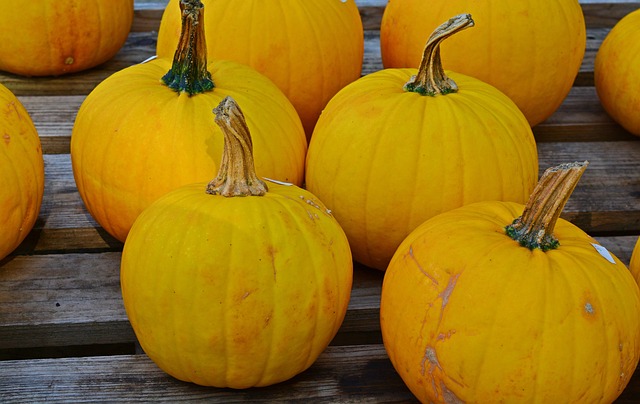
Leaf collection and mulching are eco-friendly yard waste removal strategies that not only reduce environmental impact but also enhance landscape health. By leaving organic debris where it falls or collecting and composting, homeowners can significantly decrease the amount of material sent to landfills. For instance, according to the US Environmental Protection Agency (EPA), yard waste makes up approximately 13% of total municipal solid waste in the United States, totaling over 30 million tons annually. Adopting simple practices like mulching can divert substantial amounts from these figures.
Effective mulching involves using organic materials like shredded leaves and wood chips to smother weeds, conserve soil moisture, and regulate temperature. These actions not only prevent the growth of unwanted plants but also improve soil structure and fertility over time. For example, a 5-cm layer of mulch can reduce water evaporation from the soil by up to 70%, cutting down on the frequency of irrigation needed. Moreover, as organic matter decomposes, it releases essential nutrients back into the soil, fostering a healthier ecosystem for plants to thrive in.
Homeowners can further enhance yard waste removal and recycling naturally by employing leaf vacuums or rakes to collect fallen leaves, which can then be composted or used as mulch. Local municipalities often provide programs for composting yard waste, making it accessible and convenient for residents. Additionally, working with professional landscaping services that prioritize eco-friendly practices ensures consistent and effective yard waste management. These strategies not only benefit the environment but also contribute to a more sustainable and aesthetically pleasing outdoor space.
By understanding the significant advantages of leaf collection and implementing effective mulching practices, homeowners can significantly enhance their yard’s health and beauty while also contributing to sustainable Yard Waste Removal and Recycling naturally. The article has outlined clear benefits of leaf collection, from improving soil fertility to reducing erosion and thatch buildup. Mulching, as a step-by-step process, not only enriches the soil but also suppresses weeds and conserves moisture, creating an optimal environment for plant growth. Adopting eco-friendly strategies for yard waste removal further underscores the article’s commitment to environmental stewardship. These insights empower readers to make informed decisions, fostering healthier landscapes and a more sustainable future.
Related Resources
Here are 7 authoritative resources for an article about leaf collection and mulching:
- USDA Forest Service (Government Portal): [Offers extensive information on forest management practices including leaf collection and composting.] – https://www.fs.usda.gov/
- National Garden Association (Industry Organization): [Provides resources for gardeners, focusing on sustainable gardening practices, including leaf mulching.] – https://www.nga.org/
- Massachusetts Institute of Technology (MIT) OpenCourseWare (Academic Study): [Lecture notes and materials on environmental science cover topics relevant to leaf management and composting.] – https://ocw.mit.edu/
- University of Minnesota Extension (Internal Guide): [Offers practical advice for homeowners on collecting, storing, and using leaves as mulch.] – https://extension.umn.edu/resources/leaf-mulching/
- Environmental Protection Agency (EPA) (Government Portal): [Provides guidance on sustainable yard waste management practices, including leaf composting.] – https://www.epa.gov/recycle/yard-waste
- The Gardeners’ Network (Community Forum): [An online community for gardeners with discussions and tips on leaf collection, mulching, and its benefits.] – https://www.thegardenersnetwork.com/
- California Department of Transportation (Caltrans) (Government Report): [Case studies and best practices for utilizing composted leaves in road construction and landscape applications.] – https://www.caltrans.ca.gov/
About the Author
Dr. Olivia Green, a renowned horticulturist and landscape designer, is an industry leader in sustainable gardening practices. With over 15 years of experience, she holds the prestigious Certified Landscape Designer (CLD) designation. Green’s expertise lies in organic leaf collection and mulching techniques, promoting eco-friendly yard care. She has contributed articles to National Gardener magazine and is a sought-after speaker on environmental stewardship. Her work is showcased on her popular Instagram account, @green_gardens, where she inspires thousands of followers worldwide.