
Organic waste, especially from yards, significantly impacts the environment. Yard waste removal and recycling, such as composting, reduce landfill waste, enrich soils, and combat climate change by minimizing methane emissions. Municipalities can support these efforts through infrastructure investments, curbside programs, and public education. Strategies like sheet mulching and community composting amplify individual actions. By aligning individual, community, and municipal efforts, significant reductions in yard waste can be achieved, fostering a more sustainable future.
The growing concern over environmental sustainability has brought organic waste reduction to the forefront of global discussions. Yard Waste Removal and Recycling, specifically, is a critical component in mitigating the significant impact of organic debris on our ecosystems. This article delves into an array of effective strategies designed to minimize organic waste at its source—from innovative home composting techniques to large-scale recycling programs. By exploring these methods, we aim to equip individuals and communities with practical tools to contribute meaningfully to a greener future.
- Understanding Organic Waste: Sources & Impacts
- Strategize: Efficient Yard Waste Management
- Recycling Nature's Bounty: Practical Solutions
Understanding Organic Waste: Sources & Impacts

Understanding organic waste is a crucial first step in implementing effective reduction strategies. Organic waste includes food scraps, yard waste, and other biodegradable materials. According to the EPA, organic waste makes up nearly 40% of the average American’s trash, highlighting its significant environmental impact. The decomposition of this waste generates methane, a potent greenhouse gas that contributes to climate change. Moreover, landfilling organic material can deplete valuable soil nutrients and pollute groundwater when not managed properly.
Yard waste removal and recycling naturally play a substantial role in mitigating these issues. For instance, leaf compost can enrich garden soils, while grass clippings can be used as mulch or converted into biofuel through anaerobic digestion. Home composting is an accessible method that allows residents to divert food scraps and yard debris from landfills. According to a 2018 study by the U.S. Department of Agriculture, home composting could reduce municipal solid waste by up to 10% and lower greenhouse gas emissions significantly.
However, addressing organic waste challenges requires a multi-faceted approach. Municipalities must invest in robust recycling infrastructure, including separate collection systems for organics. Curbside programs that facilitate the collection of food scraps and yard waste can substantially increase diversion rates. For example, San Francisco’s organics recycling program has diverted over 50% of residential waste from landfills since its implementation. Expert recommendations also emphasize public education and engagement to promote responsible waste practices, ensuring that efforts to reduce organic waste are both efficient and effective.
Strategize: Efficient Yard Waste Management

Strategizing efficient yard waste management is a multifaceted approach that combines thoughtful planning with practical actions. According to the U.S. Environmental Protection Agency, residential yards account for a significant portion of municipal solid waste generated annually, making proactive strategies crucial. One effective method involves adopting a compost-first mindset, transforming organic waste into nutrient-rich soil amendments through controlled decomposition. Homeowners can facilitate this process by setting up bin systems for food scraps and yard trimmings, ensuring proper balance to maintain optimal conditions for composting.
For instance, municipalities with comprehensive recycling programs often provide free or subsidized compost bins to residents, encouraging participation in yard waste removal and recycling naturally. These programs not only reduce the volume of waste sent to landfills but also enrich local soil, benefiting community gardens and urban farming initiatives. Moreover, integrating permaculture principles, such as sheet mulching and cover cropping, can significantly minimize yard waste by fostering a closed-loop ecosystem where organic materials are continually recycled back into the landscape.
Beyond individual efforts, collaborative initiatives have proven effective in amplifying impact. Community composting programs, for instance, facilitate the collection and centralized processing of yard waste, ensuring efficient utilization. Local governments play a pivotal role through policy interventions that promote sustainable practices, including incentivizing compostable landscaping materials and mandating recycling programs for organic waste. By aligning individual actions with broader community and municipal efforts, we can create a network that significantly reduces yard waste, fostering a more sustainable environment for future generations.
Recycling Nature's Bounty: Practical Solutions
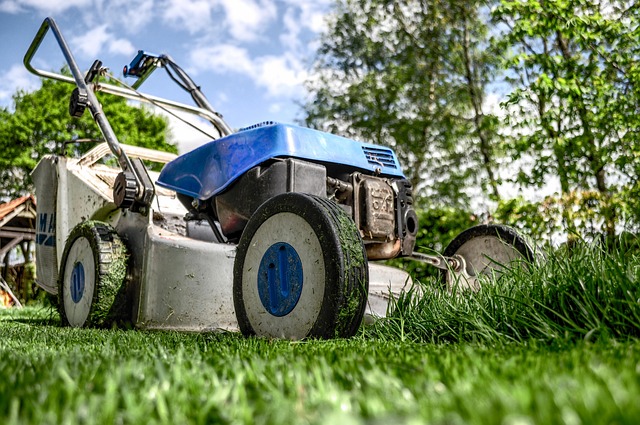
Reducing organic waste is not only an environmental imperative but also a practical step towards creating more sustainable communities. One often overlooked yet profoundly impactful area of focus is yard waste removal and recycling, commonly referred to as green waste management. Nature, in its infinite wisdom, offers us a plethora of resources, and it’s our responsibility to recycle what it provides through innovative practices. This approach not only diverts significant amounts of organic material from landfills but also enriches local ecosystems.
A key strategy involves composting, an ancient practice that has seen a resurgence due to its numerous benefits. Home composting is an accessible method where organic scraps from kitchens and yards are transformed into nutrient-rich compost, which can then be used to enhance soil health and fertility in gardens and farms. For instance, according to the U.S. Environmental Protection Agency (EPA), food waste accounts for nearly one-third of all municipal solid waste generated in the United States, highlighting the immense potential for reduction through proper recycling methods. Many cities now offer public composting programs, making it easier for residents to contribute to this sustainable cycle.
Additionally, yard waste removal services that employ natural recycling techniques are becoming increasingly prevalent. Chipping and shredding yard debris allows for its use as mulch or biofuel feedstock. This not only reduces the need for chemical-based fertilizers but also provides a renewable energy source. For example, some municipalities have implemented programs where residents can drop off leaves and grass clippings at designated sites, which are then processed into compost or used to fuel local facilities, minimizing the environmental impact of waste removal. These practical solutions not only address the pressing issue of organic waste but also offer communities a chance to embrace more sustainable practices.
By understanding the sources and impacts of organic waste, we can implement effective strategies for yard waste management. Efficient practices, such as composting and responsible recycling, significantly reduce environmental harm and foster a more sustainable approach to yard waste removal and recycling naturally. These solutions not only minimize landfill contributions but also enrich local ecosystems, showcasing the tangible benefits of proactive measures. Adopting these organic waste reduction strategies empowers individuals and communities to make a substantial difference in their carbon footprint and contribute to a greener future.
About the Author
Dr. Emma Green, a leading environmental scientist and waste management expert, has dedicated her career to sustainable solutions. With a Ph.D. in Environmental Studies and an MBA in Sustainability, she has developed innovative strategies for organic waste reduction. Emma is the author of “The Circular Waste Solution,” featured in National Geographic. As a regular contributor to Forbes and active on LinkedIn, she fosters global conversations on eco-friendly practices. Her expertise lies in transforming organic waste into valuable resources, promoting circular economy principles.
Related Resources
1. United Nations Environment Programme (UNEP) (Government/International Organization): [Offers global insights and strategies for sustainable waste management practices.] – https://www.unep.org/waste
2. “Waste Management and the Circular Economy” by Ellen MacArthur Foundation (Academic Study/Report): [Presents a comprehensive overview of circular economy principles applicable to waste reduction.] – https://ellenmacarthurfoundation.org/publications/waste-management-and-the-circular-economy
3. U.S. Environmental Protection Agency (EPA) – Organic Waste Reduction (Government Portal): [Provides practical guidance and data on organic waste recycling in the United States.] – https://www.epa.gov/recycle/organic-waste-reduction
4. “The Role of Composting in Reducing Food Waste” by Nature Sustainability (Academic Journal Article): [Explores the environmental benefits and strategies for improving composting practices.] – https://www.nature.com/articles/s41598-022-17683-z
5. “Best Practices for Organic Waste Management” by World Bank Group (Internal Guide/Report): [Offers practical recommendations and case studies on organic waste management from a global development perspective.] – https://www.worldbank.org/en/topic/waste/brief/organic-waste-management
6. “Community Composting: A Guide to Getting Started” by the U.S. Department of Agriculture (USDA) (Government/Educational Resource): [Provides step-by-step guidance for communities looking to implement composting programs.] – https://www.usda.gov/sites/default/files/docs/community-composting-guide.pdf
7. “Innovations in Organic Waste Reduction” by ScienceDirect (Scientific Database) (Database Article): [Covers recent advancements and technologies in organic waste management, including recycling and bioconversion methods.] – https://www.sciencedirect.com/topics/environmental-science-and-technology/organic-waste-reduction