
Communities implement Yard Waste Removal and Recycling programs to reduce organic material in landfills, cutting methane emissions and enriching soil fertility. This collaborative effort involves educational campaigns, clear collection schedules, accessible drop-off points, and incentives, fostering a sustainable lifestyle that benefits both the environment and local communities.
Green waste recycling programs, focusing on yard waste removal and recycling, are gaining traction globally. These initiatives not only mitigate environmental impact but also offer numerous benefits, from reducing landfill volumes to fostering sustainable communities. This article delves into the intricacies of understanding and implementing effective yard waste recycling programs, highlighting the advantages for both communities and the environment. By exploring successful strategies, we aim to inspire broader adoption and enhance green waste management practices.
- Understanding Yard Waste Recycling Programs
- Benefits of Composting and Recycling Green Waste
- Implementing Effective Community-Wide Initiatives
Understanding Yard Waste Recycling Programs

Many communities now offer yard waste removal and recycling programs as part of their comprehensive solid waste management strategies. These programs are designed to keep organic materials out of landfills by turning them into valuable resources. Yard waste, such as grass clippings, leaves, and garden trimmings, can be composted or processed into bio-fuel, reducing the environmental impact of waste disposal.
Participants in these programs typically separate their yard waste from other recyclables and place it in designated containers for collection. Local municipalities often provide specific guidelines and schedules for yard waste removal, ensuring efficient sorting and processing at recycling facilities. By participating in these initiatives, residents contribute to a sustainable cycle that benefits both the environment and local communities.
Benefits of Composting and Recycling Green Waste
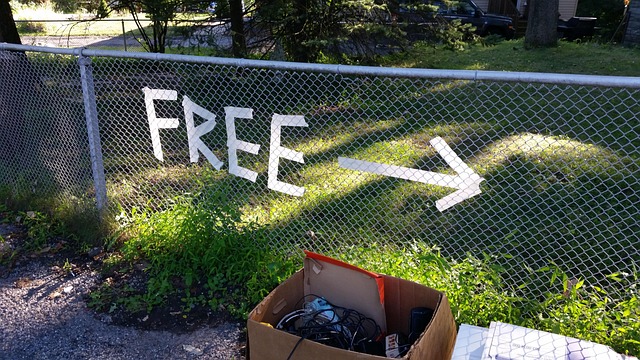
Composting and recycling green waste, such as yard clippings and food scraps, offers numerous environmental benefits. It significantly reduces the amount of organic material sent to landfills, which is a primary cause of methane emissions—a potent greenhouse gas. By diverting these materials from landfills, green waste recycling programs play a crucial role in mitigating climate change.
Moreover, composting enriches soil fertility and promotes sustainable gardening practices. Organic compost acts as a natural fertilizer, enhancing soil structure, increasing water retention, and providing essential nutrients to plants. This reduces the reliance on synthetic fertilizers and pesticides, further minimizing environmental impact and fostering a healthier ecosystem.
Implementing Effective Community-Wide Initiatives

Implementing effective community-wide initiatives for yard waste removal and recycling is a multifaceted approach that requires collaboration between local governments, residents, and businesses. The first step involves raising awareness through educational campaigns that highlight the environmental benefits of composting and recycling organic materials. This can be achieved through workshops, informational events, and targeted outreach programs that teach residents how to properly sort and prepare their green waste for collection or home composting.
Additionally, establishing clear and consistent collection schedules and providing accessible drop-off points or curbside pickup services are crucial elements in ensuring successful participation. Incentives like discounts on garbage bills or rewards for high-participation neighborhoods can further motivate residents. By fostering a sense of community responsibility and providing practical solutions, these initiatives not only reduce the volume of waste sent to landfills but also promote a more sustainable and environmentally conscious lifestyle.
Green waste recycling programs, by facilitating proper yard waste removal and recycling, offer a sustainable solution for communities. Through composting and effective community initiatives, we can reduce landfill waste, enhance soil fertility, and contribute to a healthier environment. Implementing these programs not only benefits local ecosystems but also fosters a culture of environmental stewardship among residents.