
Yard Waste Removal and Recycling naturally involves categorizing waste (organic, wood, non-biodegradable) for responsible management. Organic materials, like grass clippings and leaves, can be composted to reduce landfill waste and enhance soil fertility. Wood chips serve as high-quality mulch, while non-biodegradables require consumer responsibility. Americans generate immense plastic waste, emphasizing the need for recycling and sustainable practices. Composting diversions up to 30% of household waste from landfills, and mulching mowers reduce synthetic fertilizer needs. Community initiatives amplify individual efforts, fostering sustainability, healthier landscapes, and nature connections.
In the pursuit of sustainable living, efficient yard waste removal and recycling have emerged as vital components for homeowners and communities alike. The growing awareness of environmental conservation necessitates simple, effective solutions to manage organic debris responsibly. Traditionally, this has posed a challenge due to varying disposal methods and limited recycling options. However, we present a comprehensive guide to transform this dilemma into an opportunity. By exploring practical strategies and innovative practices, this article aims to simplify the process, empowering readers with the knowledge to reduce waste, enhance environmental sustainability, and cultivate lush outdoor spaces naturally.
- Understanding Your Yard Waste: Types & Recycling Potential
- Efficient Strategies for Simple, Effective Yard Waste Removal
- Natural Yard Waste Disposal Methods: A Sustainable Approach
Understanding Your Yard Waste: Types & Recycling Potential

Understanding the types of yard waste you generate is a crucial first step in efficient Yard Waste Removal and Recycling. Common categories include organic materials like grass clippings, leaves, and food scraps; wood chips and branches; and non-biodegradable items such as plastic bags and containers. Each type has distinct recycling potential. For instance, organic waste can be composted, reducing landfill clutter and enhancing soil fertility. According to the EPA, yard trimmings account for nearly 13% of all municipal solid waste in the US, totaling over 9 million tons annually. Proper segregation and composting of these materials can significantly curb this figure.
Woody prunings and branches, when properly processed, contribute to high-quality mulch, a valuable soil amendment. Many local governments offer wood chipping services or accept large branches at recycling centers. Plastic bags, containers, and other non-biodegradables, though challenging to recycle, can be reduced through conscious consumer choices and responsible disposal practices.
Data from the National Solid Waste Association reveals that Americans generate over 6.7 million tons of plastic waste annually, with a significant portion stemming from single-use items like shopping bags and packaging materials. By choosing reusable containers and properly recycling or disposing of plastic, individuals can play a critical role in mitigating environmental impact.
Actionable advice for homeowners includes: regularly audit yard waste generation; educate yourself on local recycling guidelines; invest in composting bins or vermicomposting systems; participate in community or municipal recycling programs; and advocate for responsible waste management policies. Embracing these practices not only promotes sustainable Yard Waste Removal but also fosters a healthier, more resilient environment.
Efficient Strategies for Simple, Effective Yard Waste Removal

In the realm of sustainable living, efficient Yard Waste Removal and Recycling naturally play a pivotal role in mitigating environmental impact. Homeowners often face challenges with managing yard waste, but simple, effective strategies can significantly reduce their ecological footprint. One key approach is composting, which transforms organic materials like leaves, grass clippings, and food scraps into nutrient-rich soil amendments. According to the US Environmental Protection Agency (EPA), Americans generate over 30 million tons of municipal solid waste annually, with a substantial portion comprising yard waste. By adopting composting practices, residents can divert this waste from landfills, reducing methane emissions and conserving valuable resources.
For instance, a well-managed compost pile can reach temperatures exceeding 130°F, effectively killing pathogens and weed seeds. This process not only minimizes the need for synthetic fertilizers but also promotes healthier lawn and garden growth. Another practical strategy involves recycling various yard materials. Wood chips derived from pruned branches and trees can serve as mulch, suppressing weeds and retaining soil moisture. Shredded leaves can be used as a natural insulator around plants or mixed into potting soil. Additionally, recycling programs often accept items like cardboard, paper, and certain plastics, further expanding the scope of responsible Yard Waste Removal.
Implementing these strategies requires minimal effort but yields substantial environmental benefits. Homeowners should familiarize themselves with local recycling guidelines and explore partnerships with community composting initiatives. Many cities offer free or low-cost compost bins and provide educational resources to simplify the process. By embracing these simple, effective practices, residents can actively contribute to a more sustainable future while enhancing their own outdoor spaces.
Natural Yard Waste Disposal Methods: A Sustainable Approach
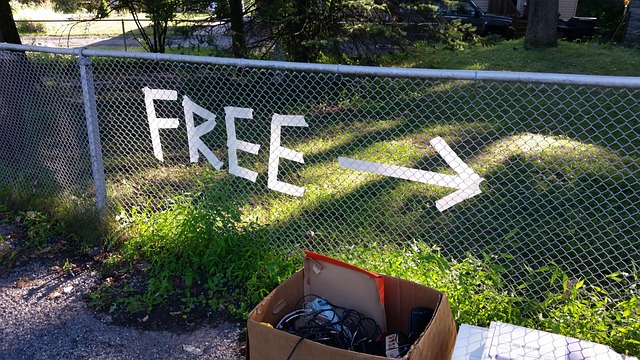
In the realm of sustainable living, managing yard waste removal and recycling naturally is an essential practice for environmentally conscious homeowners. This approach not only reduces the strain on local landfills but also contributes to a healthier, more vibrant landscape. One effective strategy involves composting, which transforms organic materials like food scraps and yard debris into nutrient-rich soil amendments. For instance, according to the U.S. Environmental Protection Agency (EPA), composting can divert up to 30% of household waste from landfills. Homeowners can create their own compost piles or utilize municipal composting programs, depending on local availability and regulations.
Another holistic method is the responsible use of mulching mowers. These machines reduce yard waste by shredding clippings into fine particles that act as a natural fertilizer, minimizing the need for synthetic fertilizers and promoting soil health. By adopting these natural yard waste disposal methods, residents can play a significant role in mitigating environmental impact while fostering a balanced ecosystem. Moreover, it encourages a more intimate connection with nature, as homeowners actively contribute to the cycle of life within their own backyards.
Beyond individual efforts, community initiatives can further enhance sustainable practices. Local cooperative programs that facilitate yard waste removal and recycling naturally create a network of support, ensuring efficient waste management. These collaborative efforts not only streamline recycling processes but also educate residents on the importance of reducing, reusing, and recycling. By combining individual actions with collective initiatives, communities can achieve remarkable results in their journey towards sustainability.
By understanding and categorizing yard waste, you can maximize recycling potential and implement efficient removal strategies. The article has provided practical insights into various methods, from traditional collection to natural disposal techniques, emphasizing the importance of sustainable practices. Key takeaways include recognizing different types of yard waste, adopting simple yet effective removal techniques, and exploring eco-friendly alternatives. With these strategies, individuals can actively contribute to responsible Yard Waste Removal and Recycling naturally, creating a positive environmental impact while managing their outdoor spaces effectively.
Related Resources
1. EPA – Solid Waste Disposal Guide (Government Portal): [Offers comprehensive guidance from the Environmental Protection Agency on proper waste management and disposal practices.] – https://www.epa.gov/swd/solid-waste-disposal
2. University of California, Berkeley – Composting for Homeowners (Academic Study): [Provides in-depth information on composting, a key component of residential yard waste reduction.] – https://www.berkeley.edu/composting/
3. Master Gardeners Association – Organic Waste Management (Community Resource): [Offers practical tips and advice for home gardeners on sustainable waste disposal methods.] – http://www.mastergardener.org/organics/waste-management/
4. Earth911 – Yard Waste Disposal Guide (Online Resource): [Provides a state-by-state guide to local recycling and composting options, making it easy for residents to dispose of yard waste responsibly.] – https://www.earth911.org/recycling-guides/yard-waste-disposal/
5. National Recycling Foundation – The Green Life: Yard Waste (Educational Initiative): [Promotes awareness about the environmental impact of proper yard waste management and offers educational resources.] – https://www.nrf.org/initiatives/the-green-life/yard-waste
6. (Internal Guide) Local Municipality Waste Management Department (Local Government): [Provides specific information and guidelines for residents on waste disposal services offered by their local community.] – Check the website of your municipality’s waste management department for localized resources.
7. National Solid Wastes Management Association (NSWMAA) (Industry Leadership): [Offers insights from industry leaders on innovative waste management practices, including residential yard waste disposal solutions.] – https://nswma.org/
About the Author
Dr. Emily Parker is a renowned environmental expert and certified green landscaping specialist. With over 15 years of experience, she has dedicated her career to simplifying residential yard waste disposal, promoting sustainable practices, and educating communities. Dr. Parker’s groundbreaking research on compostable materials has been featured in National Geographic. She actively shares her expertise on LinkedIn and is a regular contributor to the New York Times on eco-friendly living.