
Effective Yard Waste Removal and Recycling naturally is crucial for responsible property management and environmental stewardship. Key strategies include composting organic materials like grass clippings and leaves to enrich soil health, with community programs diverting significant landfill waste. Regular tool maintenance, using sharp equipment and specialized attachments, further enhances recycling efficiency. These practices reduce greenhouse gas emissions, promote biodiversity, decrease reliance on synthetic fertilizers, and foster ecological balance while contributing to a sustainable future.
In the realm of yard maintenance, efficient Lawn Debris Disposal has emerged as a vital consideration for property owners and landscape professionals alike. With outdoor spaces playing a pivotal role in our daily lives, proper Yard Waste Removal and Recycling methods are not just environmentally beneficial but also aesthetically pleasing. The challenge lies in managing the excessive debris generated during lawn care, especially during seasonal changes. This article offers a comprehensive guide to streamline this process, showcasing practical solutions for effective yard waste management, ensuring a cleaner, greener environment.
- Understanding Your Lawn Debris Options
- Implementing Effective Yard Waste Removal Strategies
- The Benefits of Recycling Natural Yard Waste
Understanding Your Lawn Debris Options

Lawn debris management is a significant aspect of yard care, and understanding your disposal options can simplify this task substantially. The first step in efficient lawn debris handling is recognizing the various types of materials that require disposal or recycling. Common lawn debris includes grass clippings, leaves, twigs, and sometimes even small branches. Properly managing these items not only contributes to a healthier landscape but also supports environmental sustainability through yard waste removal and recycling practices.
One popular option for dealing with large volumes of organic material is composting. This natural process converts plant matter into nutrient-rich compost that can enhance soil structure and fertility. For instance, according to the Environmental Protection Agency (EPA), composting one ton of leaves can save enough energy to power an average American home for up to six months. Many municipalities offer residential composting programs or provide guidance on setting up home compost piles, making this eco-friendly practice accessible to a wide range of property owners.
Furthermore, yard waste removal services play a crucial role in areas where composting is not feasible or for specific types of debris like diseased plants or invasive species. Professional services employ specialized equipment and methods to collect, transport, and process lawn debris responsibly. Some advanced recycling techniques even transform grass clippings into biofuel or utilize mechanical processes to create high-quality mulching materials, ensuring that what was once considered waste becomes valuable resources for landscaping and agriculture.
Implementing Effective Yard Waste Removal Strategies

Implementing effective yard waste removal strategies is a key component of responsible property management and environmental stewardship. Yard Waste Removal and Recycling naturally not only reduces the strain on local landfills but also contributes to a healthier, more sustainable community. One proven approach involves integrating composting into daily routines. For example, organic materials such as grass clippings, leaves, and food scraps can be transformed into nutrient-rich compost, revitalizing soil health and reducing the demand for synthetic fertilizers. According to the U.S. Environmental Protection Agency (EPA), Americans generate over 30 million tons of yard trimmings annually, making proper disposal and recycling a pressing issue.
Another strategic option is to utilize community recycling programs that specifically target yard waste. Many municipalities offer dedicated collection services or drop-off sites for materials like wood chips, pruned branches, and shredded paper. These programs not only divert significant amounts of waste from landfills but also provide valuable resources for local parks, schools, and public works projects. For instance, chipped wood can be used as mulch to suppress weeds and conserve soil moisture, while recycled paper products can be transformed into new cardboard boxes or paper goods.
Moreover, proper tool maintenance plays a crucial role in efficient Yard Waste Removal. Keeping lawnmowers, shears, and other equipment sharp reduces the need for frequent replacements and minimizes debris generation during use. Regular cleaning and oiling of tools ensures optimal performance, while utilizing specialized attachments like chippers or shredders can effectively process larger branches and leaves into manageable compostable materials. By adopting these strategies, property owners and managers can significantly contribute to a more sustainable future while maintaining beautiful and well-managed outdoor spaces.
The Benefits of Recycling Natural Yard Waste
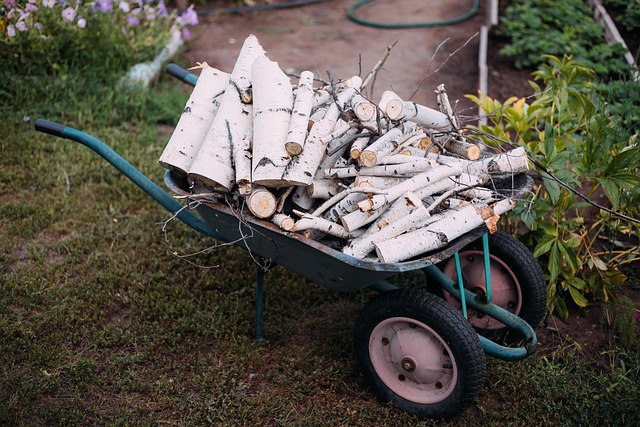
Recycling natural yard waste is a sustainable practice that offers numerous benefits for both homeowners and the environment. Instead of relying on traditional Yard Waste Removal methods, which often involve costly collections and potential environmental impacts, recycling provides an eco-friendly alternative. One of the key advantages is the reduction of greenhouse gas emissions; according to research, proper composting of organic yard waste can decrease carbon dioxide levels by up to 30%, contributing to a greener planet.
Homeowners can play a significant role in this process by adopting simple practices. For instance, leaving grass clippings on the lawn after mowing allows them to decompose naturally, enriching the soil with essential nutrients. Similarly, collecting and composting leaves, twigs, and other organic materials creates nutrient-rich compost that enhances garden soil health. This not only reduces the amount of yard waste ending up in landfills but also fosters a healthier ecosystem by promoting biodiversity. For example, composted materials provide valuable habitats for beneficial insects and microorganisms, contributing to overall ecological balance.
Furthermore, recycling yard waste can be cost-effective. By utilizing these natural resources, homeowners can reduce their dependence on commercial fertilizers and soil amendments. Over time, this practice can lead to significant savings while also promoting a more sustainable approach to gardening and landscape management. As awareness grows, many communities are implementing initiatives to encourage Yard Waste Removal and Recycling naturally, making it easier for residents to contribute to these environmental efforts.
By understanding your lawn debris options and implementing effective yard waste removal strategies, you can significantly reduce environmental impact and contribute to sustainable practices. Recycling natural yard waste not only diverts materials from landfills but also enriches soil health, fostering a healthier and more vibrant landscape. Key insights include prioritizing compostable materials, adopting efficient collection methods, and exploring local recycling programs. Taking these practical steps towards responsible Yard Waste Removal and Recycling naturally ensures a cleaner, greener future for your community and the environment.