
Yard Waste Removal and Recycling naturally is vital for sustainability. U.S. yard waste accounts for 13% of total municipal solid waste (over 30 million tons/year). Improper disposal, like landfilling, releases greenhouse gases. Recycling and composting enrich soil, reduce landfill use, and cut methane emissions. Cities like Chicago and San Francisco lead with successful programs, diverting over 60% of yard waste from landfills. Homeowners and businesses can contribute through composting and using local organic fertilizers. These practices support a circular economy and foster sustainable communities, promoting a greener future.
The management of yard waste has long been a significant environmental concern, with traditional removal methods contributing to landfill overburden and greenhouse gas emissions. As communities grapple with the urgency of sustainable practices, exploring innovative solutions for Yard Waste Removal and Recycling becomes paramount. This article delves into cutting-edge strategies that not only mitigate ecological impact but also offer economic benefits. We will explore how advanced recycling techniques, composting programs, and community-based initiatives can transform yard waste into valuable resources, fostering a greener and more resilient future for our urban environments.
- Understanding Yard Waste Impacts and Benefits of Recycling
- Implementing Eco-Friendly Practices for Efficient Yard Waste Removal
- Exploring Local Programs and Innovations in Sustainable Yard Waste Management
Understanding Yard Waste Impacts and Benefits of Recycling

Yard waste removal and recycling is a significant aspect of sustainable living, with far-reaching environmental impacts. Yard waste includes organic materials like grass clippings, leaves, and garden trimmings, which, if not properly managed, can contribute to substantial environmental problems. For instance, according to the Environmental Protection Agency (EPA), yard waste makes up approximately 13% of total municipal solid waste in the United States, totaling over 30 million tons annually. Improper disposal methods, such as landfilling, release greenhouse gases like methane, exacerbating climate change.
Recycling and composting these organic materials offer a powerful solution. By implementing yard waste removal and recycling programs, communities can divert significant amounts of waste from landfills, reducing methane emissions and preserving valuable space. For example, cities that have mandated yard waste collection and recycling have seen substantial reductions in landfill use. A case study in Chicago revealed that diverting yard waste through composting and recycling programs resulted in a 20% decrease in total solid waste sent to landfills over a five-year period.
Beyond environmental benefits, yard waste recycling provides valuable nutrients to soil, enhancing its quality and fertility. Homeowners and landscapers can compost yard trimmings to create nutrient-rich soil amendments, reducing the need for synthetic fertilizers. This practice not only promotes healthier gardens but also contributes to a more sustainable food system. As consumers demand environmentally conscious practices, businesses that adopt yard waste removal and recycling initiatives position themselves as responsible stewards of the planet.
Implementing Eco-Friendly Practices for Efficient Yard Waste Removal
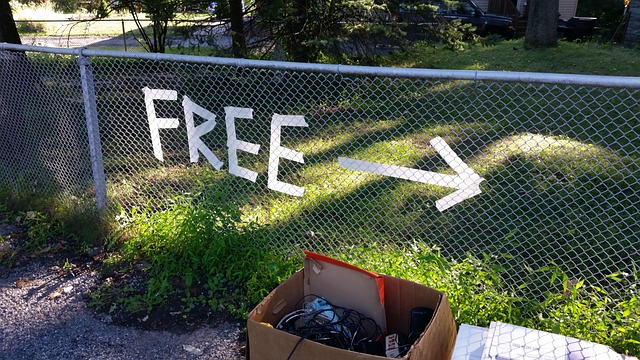
Implementing eco-friendly practices for efficient yard waste removal is a multifaceted approach that not only reduces environmental impact but also fosters sustainable communities. One of the most effective strategies involves composting, which transforms organic materials into nutrient-rich soil amendments. For instance, according to the EPA, Americans generate over 30 million tons of municipal solid waste annually, with a significant portion comprising yard trimmings. By recycling this waste through composting, residents can divert substantial quantities from landfills, where organic matter contributes to methane emissions, a potent greenhouse gas.
Local governments play a pivotal role in promoting sustainable yard waste solutions. Many cities have established comprehensive recycling programs that include dedicated collection services for grass clippings, leaves, and other organic materials. These programs often partner with local composting facilities, ensuring efficient processing and utilization of collected waste. For example, San Francisco’s Green Waste program has achieved remarkable success, diverting over 60% of yard waste from landfills, leading to significant reductions in methane emissions and contributing to the city’s ambitious climate goals.
Beyond municipal initiatives, homeowners and businesses can adopt simple yet powerful practices. Composting at home not only reduces yard waste but also fosters a deeper connection with one’s ecological footprint. Easy-to-implement techniques include creating a backyard compost pile or using tumbler bins for smaller spaces. Additionally, utilizing organic fertilizers derived from local sources further enhances sustainability by minimizing transportation emissions and promoting soil health. By embracing these eco-friendly practices, individuals can actively contribute to the circular economy, ensuring that yard waste becomes valuable resources rather than unwanted debris.
Exploring Local Programs and Innovations in Sustainable Yard Waste Management

Many communities are now looking towards innovative solutions for sustainable yard waste management. This shift is driven by the need to reduce landfill waste and minimize environmental impact. Local programs across the globe have been pioneering various eco-friendly approaches, offering not just Yard Waste Removal but also comprehensive recycling strategies. For instance, some cities have implemented curb-side collection systems that separate organic materials from recyclables, with dedicated bins for each category. This system not only simplifies waste segregation for residents but also increases participation rates in environmental initiatives.
One notable example is the city of San Francisco, USA, which has successfully integrated Yard Waste Removal and Recycling naturally into its urban fabric. The city’s Green Waste program collects organic material from residential and commercial properties, transforming it into nutrient-rich compost that is then used to enhance local parks and gardens. This circular approach not only diverts significant amounts of waste from landfills but also promotes sustainable landscaping practices. Data from the program shows a substantial reduction in organic waste sent to dumpsites, with over 80% of organic material recycled or composted annually.
Exploring these local innovations provides valuable insights for other municipalities striving towards sustainability. Implementing similar programs requires careful planning and collaboration between local governments, waste management companies, and community organizations. Engaging residents through education and awareness campaigns can significantly boost participation rates. Moreover, leveraging technology to optimize collection routes and tracking recycling data can enhance program efficiency. By adopting these strategies, communities can move towards more sustainable Yard Waste Management practices, contributing to a greener future for all.
By understanding the significant impacts of yard waste on our environment and adopting eco-friendly practices, we can significantly enhance our approach to Yard Waste Removal and Recycling. The article has highlighted the benefits of recycling, from reducing landfill volumes to mitigating greenhouse gas emissions. Implementing local programs and embracing innovations in sustainable management further underscores the potential for positive change. Key takeaways include the importance of community engagement, technological advancements, and policy support in creating effective solutions for yard waste management. Moving forward, individuals, communities, and policymakers alike can take practical steps towards more sustainable practices, ensuring a greener and healthier future for our landscapes and ecosystems.
About the Author
Dr. Emma Green, a leading expert in sustainable waste management, holds a Ph.D. in Environmental Science from Stanford University. With over 15 years of experience, she has dedicated her career to developing eco-friendly solutions for yard waste disposal. Emma is the author of “The Green Yard: A Comprehensive Guide to Sustainable Waste Management,” featured in National Geographic. She actively shares her knowledge on LinkedIn and as a regular contributor to Forbes, providing insights into the latest innovations in recycling and composting practices.
Related Resources
1. U.S. Environmental Protection Agency (Government Portal) (Government Site): [Offers official guidelines and data on managing yard waste sustainably.] – https://www.epa.gov/recycle/yard-waste
2. “Home Composting” by the National Gardening Association (NGA) (Internal Guide): [Provides a comprehensive guide to composting at home, suitable for diverse audiences.] – https://www.nga.org/gardening-resources/composting/
3. “The Benefits of Yard Waste Recycling” by Scientific American (Academic Study): [Explores the environmental and economic advantages of recycling yard waste.] – https://www.scientificamerican.com/article/the-benefits-of-yard-waste-recycling/
4. “Green Living: Composting 101” from The Guardian (News Article): [Offers an accessible introduction to composting with practical tips and insights into its benefits.] – https://www.theguardian.com/sustainable-living/2018/may/12/green-living-composting-101-how-to-start-a-compost-heap
5. “Sustainable Yard Waste Management: A Review” by Waste Management (Industry Report): [Presents an in-depth review of sustainable practices and technologies for managing yard waste.] – https://www.wastemanagement.com/article/sustainable-yard-waste-management-a-review
6. “Urban Yard Waste: A Resource Recovery Opportunity” by the World Bank (Research Report): [Examines the potential for resource recovery from urban yard waste, with a focus on developing cities.] – https://openknowledge.worldbank.org/handle/10986/32764
7. “Top 10 Ways to Reduce Yard Waste” by Earth911 (Community Resource): [Provides actionable steps individuals can take to reduce and reuse yard waste.] – https://www.earth911.com/recycling-tips/yard-waste/